Pediatric Infectious Disease - Clinical Guidelines
Updated: Mar 25
Infectious diseases are among the most common reasons children present to community clinics and emergency departments in Israel. As a doctor or parent, you're bound to encounter them a lot!
This blog is designed as a practical, simple reference for the management of common pediatric infections. It reflects local epidemiology, antibiotic resistance patterns, available medications, and current Israeli guidelines.
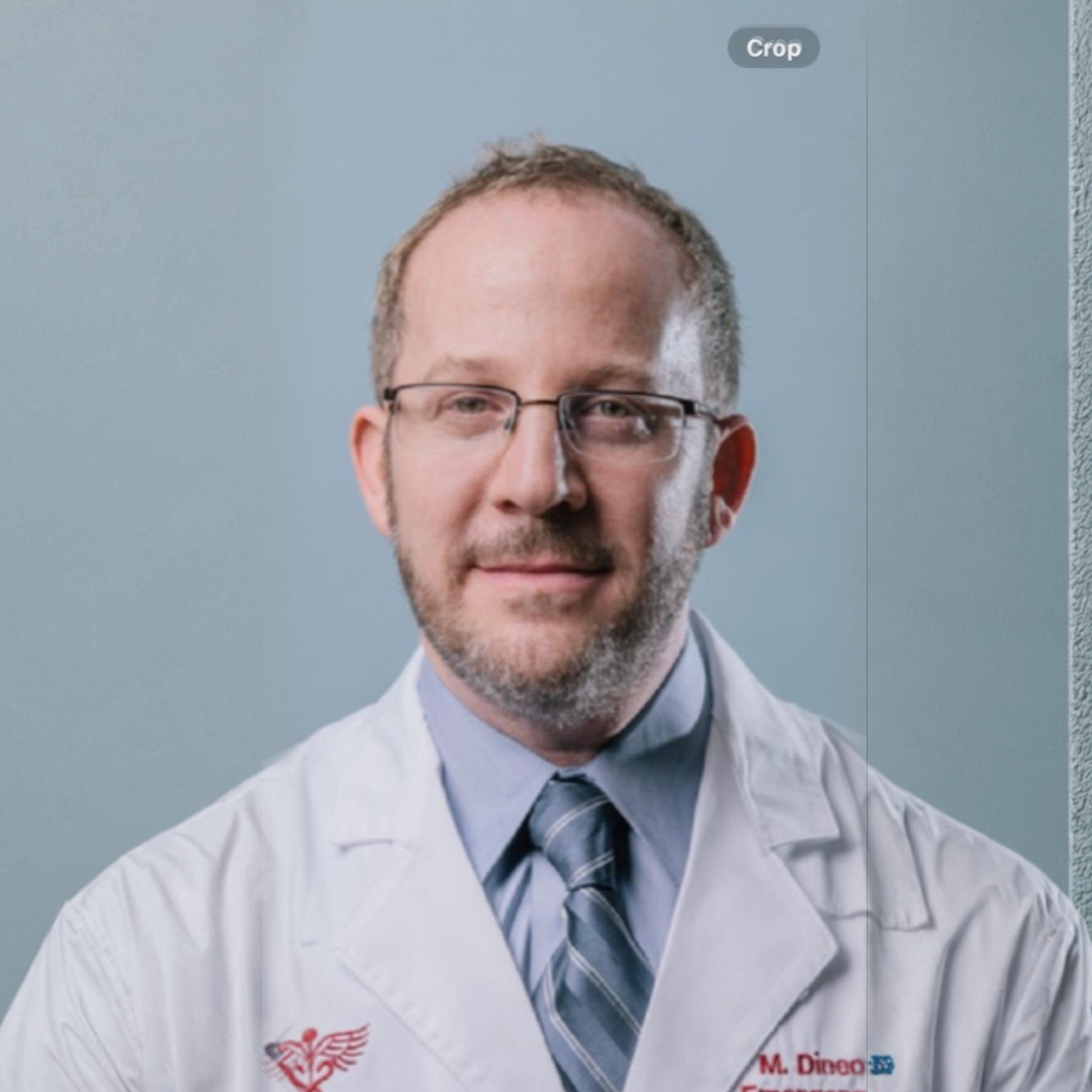
This content is based on a 2025 Clalit Infectious Disease Guide, and edited by our esteemed ADII colleague; Dr Michael Dinerman; General Pediatric and Pediatric Emergency Medicine Specialist.
Download the full guide here:
Skin Infections (including Impetigo)
① Localized infections:
→ Topical anti-bacterial creams:
✔ Mupirocin (Bactroban) Ointment
✔ Fusidic acid (Fucidin) Cream
✔ Gentamicin (Gentatrim) Ointment
→ Two or three times daily until resolved.
→ If no significant improvement switch to alternative ointment or add oral antibiotics.
→ In recurrent skin infections (especially impetigo), recommend chlorhexidine body wash.
② Systemic/complicated infections:
→ Oral antibiotics are indicated in cases of rapid spread of lesions, recurrent lesions, recurrent infection within the family, facial involvement or systemic infection (cellulitis / erysipelas)
→ First line: Cefalexin (Cefovit) 25 mg/kg/dose three times daily up to 10 days or resolution (max 4 g/day).
③ If no response, consider MRSA coverage:
→ TMP/SMX syrup [40 mg/5 mL] (Resprim or Diseptyl Syrup) 0.5 ml per kg per dose twice daily for 5-7 days (max 20 mL twice daily) or infection resolved.
→ Clindamycin (Dalacin) 10 mg/kg/dose three times daily for 7 days (max 900 mg/day).
Note: Not readily available in pharmacies and kids do not tolerate the taste.
→ If age > 8 years, may also use: Doxycycline (Doxy or Doxylin) 2 mg/kg/dose twice daily for 7 days (max 200 mg/day)
④ Abscess:
→ Incision and drainage in clinic or ED.
→ After adequate I&D, antibiotics are NOT routinely needed unless there is significant surrounding cellulitis ≥ 2 cm beyond the abscess margin.
→ If antibiotics are indicated, cefalexin is first line.
Animal Bites
① Important info:
→ Wound should be irrigated with water and cleaned with antibacterial soap.
→ Primary closure is generally avoided. Normal sutures if cosmetically sensitive area.
→ Tetanus jab if unvaccinated or > 5 years since last dose
→ Consult local health bureau to check if patient needs rabies vaccination (especially with wild animals).
→ Note: There is a low threshold to vaccinate against rabies, even from cat and dog bites. Rabid animals roam over from neighboring territories.
→ Link here to find local bureau:
② Prophylactic antibiotics
→ Indicated if dog bite, cat bite, human bite and especially immunosuppressed, asplenia, advanced liver disease, edema at bite site, face, hand or cartilage involvement.
→ Augmentin [400] 20 mg/kg/dose twice daily for 5 days (max 875 mg per dose)
③ Allergy/contraindications:
→ Combination therapy:
✔ TMP/Co-trimoxazole syrup [40 mg/5 mL] (Diseptyl Syrup) 0.5 ml per kg per dose twice daily for 3-5 days(max 20 mL twice daily)
✔PLUS Clindamycin (Dalacin) 10 mg/kg/dose three times daily for 5 days(max 900 mg/day)
Acute Gastroenteritis (AGE)
① When to investigate:
→ Diarrhea lasting more than 7 days, or diarrhea in a traveler.
→ Bloody or mucousy stools or significant cramping.
② First line treatment:
→ Oral rehydration (ORS) - product called electrorice;
→ IV fluids if patients fails oral hydration and moderate to severe dehydration.
→ The vast majority of cases are viral in origin and therefore do not require antibiotic treatment.
③ Antibiotic treatment:
→ Antibiotics are recommended in the following situations:
✔ Proven pathogen in stool testing that demands treatment. (Not all bacteria in stool need treatment.)
✔ High clinical suspicion for Shigella (bloody diarrhea, mucus, high fever)
→ First line: Azithromycin (Azenil) 10 mg/kg once daily for 3 days (max 500 mg/day)
→ Second line: Ceftriaxone (Rocephin) 50 mg/kg IM/IV once daily for 5 days (max 2 g/day)
→ Avoid anti-motility agents (e.g., loperamide/Imodium).
④ Specific infections:
→ Giardia lamblia: Metronidazole (Flagyl) 15 mg/kg/day divided into 3 doses for 5–7 days
→ Salmonella: Usually does not require antibiotics (treatment may prolong carriage). Treat only in infants under 3 months, immunocompromised patients, asplenia, IBD, or those on immunosuppressive therapy
→ Campylobacter: Azithromycin (Azenil) has been shown to shorten disease duration and reduce environmental spread if given early in illness.
→ Shigella: Always treat, first line is Azithromycin as above. Shortens illness and fecal shedding.
→ Entamoeba histolytica: Metronidazole(Flagyl)
→ Cryptosporidium - usually no antibiotics. Supportive care.
→ E. Coli: We do not give antibiotics for certain E. coli—specifically Shiga toxin–producing E. coli (STEC / EHEC, e.g., O157:H7)—because antibiotics increase the risk of serious complications (HUS)
Pneumonia
① When to image:
→ Diagnosis is primarily clinical. Chest X-ray is optional. (Viral bronchiolitis can be misread as pneumonia.)
→ Imaging is recommended if diagnosis is unclear, oxygen saturation is low, significant respiratory distress, no response or clinical worsening after 48–72 hours of antibiotics, suspicion of complicated pneumonia.
② Antibiotic Considerations:
→ High clinical suspicion of bacterial pneumonia justifies antibiotic treatment, targeting Streptococcus pneumoniae.
→ Recommended treatment duration is usually 5 days, and may be extended to 7–10 days depending on the case.
③ First-line treatment:
→ Amoxicillin (Moxypen or Moxyvit) 80–90 mg/kg/day divided into 2 doses (max 1 g per dose) for 5–7 days
④ Suspected Atypical Pneumonia:
→ Azithromycin (Azenil) 10 mg/kg once daily for 3 days (max 500 mg/day)
→ Roxithromycin (Roxo) 2.5–4 mg/kg twice daily for 7 days (max 300 mg/day)
→ Clarithromycin (Karin) 7.5 mg/kg/dose twice daily for 7 days (max 1 g/day)
→ If age > 8 years: Doxycycline (Doxy or Doxylin) 2 mg/kg/dose once or twice daily for 7 days (max 200 mg/day)
⑤ Second line options for amoxicillin failure:
→ Augmentin 600 ES – 90 mg/kg/day, divided into 2 doses, for 7 days (max 2 g/dose)
→ Cefuroxime (Zinnat) 15 mg/kg/dose twice daily for 7 days (max 1 g/day)
→ Clindamycin (Dalacin) 10 mg/kg/dose three times daily for 7 days (max 900 mg/day)
Note: not readily available and taste often not tolerated.
Group A Strep Pharyngitis / Tonsillitis
① Considerations:
→ If rapid strep positive then no need for culture just start oral antibiotics.
→ If rapid strep negative then send culture.
→ There is no need for a repeat swab at the end of treatment.
→ Antibiotic treatment should begin within 9 days of symptom onset. Abx prevent rheumatic fever not glomerulonephritis.
② First line treatment:
→ Penicillin V (Rafa VK) 250 mg twice daily for 10 days (< 27 kg)
→ Penicillin V (Rafa VK) 500 mg twice daily for 10 days (≥ 27 kg)
→ Amoxicillin 50 mg/kg/day divided into 2 doses for 10 days (max 1 g/day)
③ Allergy/contraindications:
→ Cefalexin (Cefovit) 20 mg/kg/dose twice daily for 10 days (max 1 g/day)
→ Azithromycin (Azenil) 12 mg/kg once daily for 5 days (max 500 mg/day)
→ Clindamycin (Dalacin) 7 mg/kg/dose three times daily for 10 days (max 900 mg/day)
Note: not readily available and taste often not tolerated.
④ Concerning features requiring ED
→ Hot potato voice and trismus → ?peritonsillar abscess → ED for assessment & drainage.
→ Ages 6 months to 5 years + sore throat fever + refusal to extend neck → ?retropharyngeal abscess → ED to image neck.
Pertussis
① Considerations:
→ If there is reasonable clinical suspicion of pertussis, empirical treatment is recommended without waiting for laboratory results.
→ Classic presentation: repetitive, rapid coughing paroxysms followed by a forceful inspiratory gasp (whoop) as the patient struggles to inhale. Episodes are worse at night, may end with post-tussive vomiting and in young infants the whoop may be absent, with apnea or cyanosis instead.
→ Treatment is most effective during the highly contagious phase of the illness; within 3 weeks of cough onset.
→ The patient is considered non-infectious after 5 days of appropriate antibiotic treatment.
→ Post-exposure prophylaxis should be given to close contacts, along with PCR testing when indicated. Prophylaxis is effective if given within 3 weeks of exposure.
→ The prophylactic regimen is the same as the treatment regimen for pertussis.
② First line treatment:
→ Azithromycin 10 mg/kg (max 500 mg) on Day 1
→ Followed by Azithromycin 5 mg/kg once daily (max 250 mg) on Days 2–5 (Total duration: 5 days)
→ Infants under 6 months: Azithromycin 10 mg/kg once daily for 5 days
③ Allergy/contraindications:
→ TMP/Co-trimoxazole syrup [40 mg/5 mL] (Diseptyl Syrup) 0.5 ml /kg /dose twice daily for 14 days (max 20 mL twice daily)
Acute Otitis Media (AOM)
① Considerations:
→ Infants older than 6 months, if the illness is not severe and not recurrent, antibiotic treatment may be deferred for 24–72 hours with appropriate follow-up.
→ Antibiotic treatment is recommended if: Marked irritability, facial asymmetry, bilateral AOM, prominent bulging of the tympanic membrane or fever > 39°C
→ No place for antibiotic drops usage
② First line antibiotics:
→ Amoxicillin (Moxypen or Moxyvit) 45 mg/kg/dose twice daily (max 2 g/day) for 7 days
③ Second line options:
→ Augmentin (600 ES) 45 mg/kg/dose twice daily (max 2 g/day) for 7 days
→ Ceftriaxone 50 mg/kg IM/IV once daily for 3 days (max 2 g/day)
④ Allergy / Contraindication:
→ Azithromycin (Azenil) 10 mg/kg/day for 3–5 days (max 500 mg/day)
→ Cefuroxime (Zinnat) 15 mg/kg/dose twice daily (max 1 g/day)
→ Clarithromycin (Karin) 7.5 mg/kg/dose twice daily (max 1 g/day)
Otitis Externa
① First line treatment:
→ Desoren ear drops (Polumuxin + Neomycin + Dexamethasone) 3 drops x 3-4/day
→ Cetraxal ear drops (ciprofloxacin) - 3 drops x 2/day for 7 days
✔ First choice in patients with concerns for perforated tympanic membrane or AOM tympanostomy tubes
Conjunctivitis
① First line treatment:
→ Synthomycin ointment (chloramphenicol) Apply x 3-4 / day until better.
✔ Eye ointment best for infants & toddlers (easier to apply; less cooperation needed), bedtime dosing (overnight coverage) or when administering drops is difficult.
→ Lacromycin drops (gentamicin) 1 drop x three to four times daily until better.
Lower Urinary Tract Infection
① Testing:
→ If urinalysis is negative, UTI is unlikely - consider an alternative diagnosis like vaginitis or viral urethritis.
→ Urine culture should be obtained before initiating antibiotics.
→ Urine sampling method:
✔ Toilet-trained children / infant boys – midstream urine (MSU)
✔ Non–toilet-trained children / infant girls – bladder catheterization or suprapubic aspiration.
→ There is no need to repeat urinalysis after completing antibiotic treatment.
② First line antibiotics:
→ TMP/Co-trimoxazole syrup [40 mg/5 mL] (Diseptyl Syrup) 0.5ml/kg/dose twice daily for 3–5 days (max 20 mL twice daily)
→ Nitrofurantoin 5–7 mg/kg/day divided into 4 doses (max 400 mg/day) for 3–5 days
✘ Contraindicated in G6PD deficiency, eGFR < 60, and age < 2 months
→ Cefalexin (Cefovit) 15–35 mg/kg/dose three times daily for 3–5 days (max 4 g/day)
Pinworms
① Treatment:
→ Vermox Syrup: 5ml for 2 and over and 2.5ml for age 1-2. Repeat in ten days.
→ Treat whole family if recurrent infections.
→ Wash bed linens on a hot cycle
Exclusion and Return to School
Streptococcal Pharyngitis
→ Infectious period: 1–3 days before symptoms
→ Return to daycare/school:
✔ ≥24 hours after starting appropriate antibiotics
✔ No fever and clinical improvement
✔ Without antibiotics → contagious up to 3 weeks
Fever ≥38°C
→ Return to daycare/school: At least 24 hours after fever resolves (without antipyretics)
Hand, Foot, and Mouth Disease
→ Infectious period: Until all blisters have dried
→ Return to daycare/school: Once all lesions are dry
Head Lice
→ Return to daycare/school: After initiation of treatment. No routine exclusion required
Impetigo
→ Infectious period: As long as lesions are oozing
→ Return to daycare/school: ≥24 hours after starting appropriate antibiotics. Lesions can be covered.
Molluscum Contagiosum
→ Infectious period: As long as lesions are present. No exclusion required
Diarrhea
→ Exclude from the onset of the illness until no less than 24 hours after the diarrhea stops
Do you have any other infectious diseases or clinical scenarios that you'd like to see covered?
Let us know!


